Bloodlines by Sarah Wimbush (Seren, 2020)
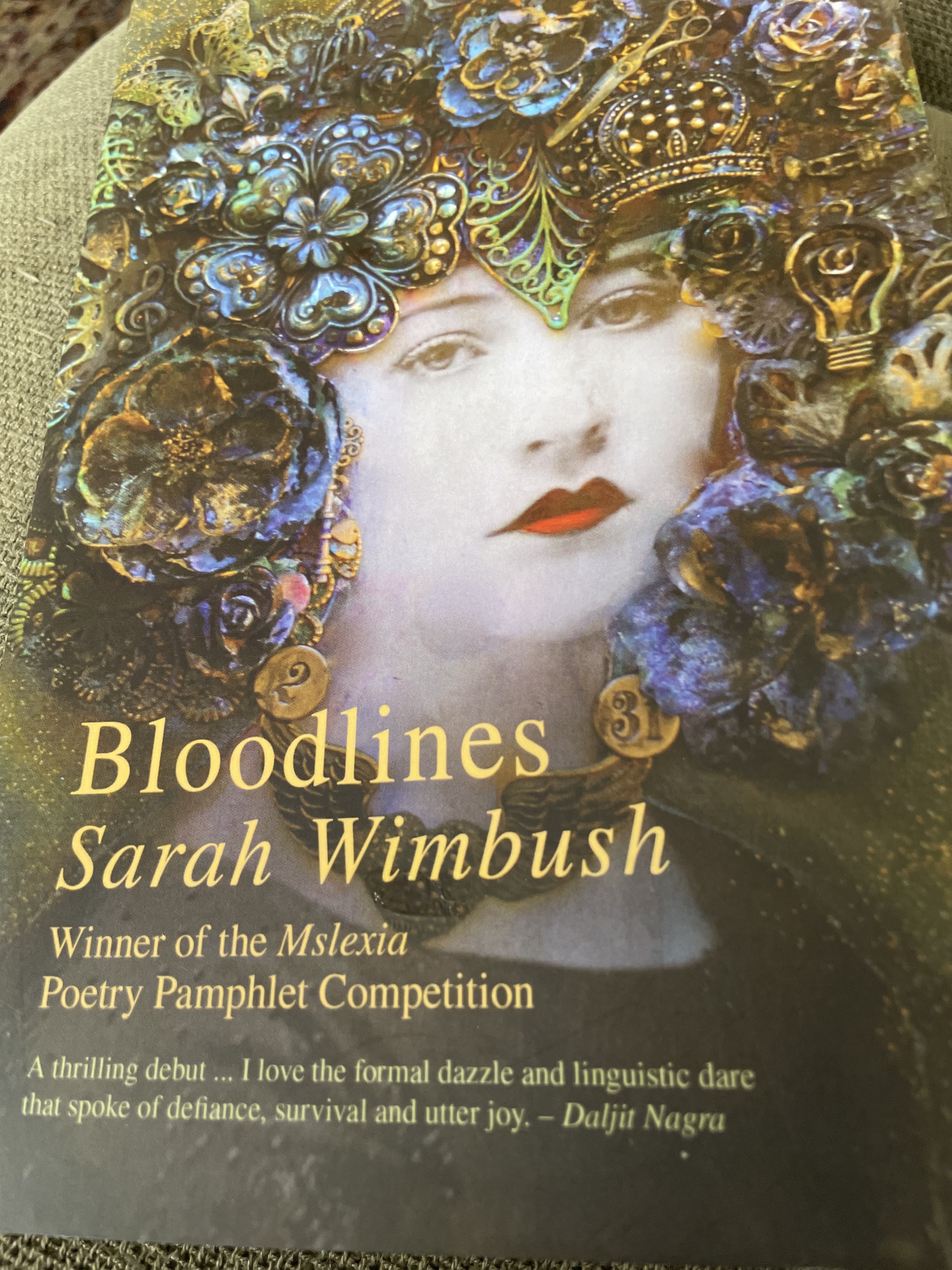
‘Bloodlines’ won the Mslexia Poetry Pamphlet competition in 2020. In 30 pages it introduces readers to the unreachable, enchanted world of Romany/traveller experience through travel, food, labour, exclusion, distinctive language and family. The discrimination and distrust travellers face is deep-rooted and reflected in Wimbush’s characters, as in ‘Carroty Kate’ (p.9):
Time was,
you would have slapped me in irons,
dragged me to York Tyburn in a hay cart sat on my coffin,
where I'd be dropped
from the Three-legged Mare –
just for being.
Wimbush’s poetry uses language that is full of energy, resistance and life and pays tribute to the long respect for the earth known by travellers, the need for movement and the resources of survival:
I pause by the tog's blooming furze,
twilight unfolding its flittermouse wing
till I close a hand into a fist.
Tethered to the seasons –
winter's cub on my skin, our jib in my song,
the drums roll skywest beneath my heels.

Here I take only what I need
from the borrowed earth, hold gorgios
in my needle's eye, ask no favours.
These poems are full of voices, paths, stopping points, meals, ancestor-characters and stories of an ancient culture that carries mystery but avoids sentimentality. There is more soil here than silver, more appetite and celebration than hunger.
Wimbush is a poet working in new ways with old language best exemplified in the glorious ‘Meat Puddin’ (p.18) that might just inspire us to prepare a delicious meal (if we listen hard enough)as well as learn something about the Romany/traveller culture and identity:
Take shin, kidney, an onion. Dice.
Cradle beef suet in your palm; shred
into flour with Daddy's rabbit knife
lace-edged with rust. Add spring water.
Pullt goo into a ball.

... Ease the moon into an Imari bowl
haggled to a farthing from Black's pot barrow
on Retford market. Cut into a clock.
Add cooking liquor and salt –
n' then lass, eat wi carrots, tattoos, swede.

 Burning Bright
Leave a comment