Residencies
The People of Anfield Project: appointed in 2023 as Writer-in-Residence for this project run by Open Eye Gallery and commissioned by Culture Liverpool. It will run until Summer 2025.
Mersey Care NHS Foundation Trust
I started work as a poet and writer at Mersey Care in 2009 working on the Sudley Project with artists Steve Rooney & Sue Williams. This was an arts project based at National Museum Liverpool’s Sudley House in Mossley Hill providing art & creative writing workshops for service-users.
In 2013 I helped to devise and develop a pilot programme of recovery learning for service-users, and was Co-Facilitator on the Psychology Self-Management programme. In the same year I was appointed the first poet-in-residence with Mersey Care and continued in this role until 2020. I worked with a range of people and services during this time providing projects, events, workshops and running writing groups at Broad Oak, in the PD Hub, Older Adults services, Early Interventions, as well as regular writing activities at the Life Rooms in Walton & Bootle. I organised regular readings on National Poetry Day each year, at midsummer and Christmas.
It was always a privilege to see people thrive through their own talents and creativity and I’m grateful for having this opportunity.
Open Eye Gallery
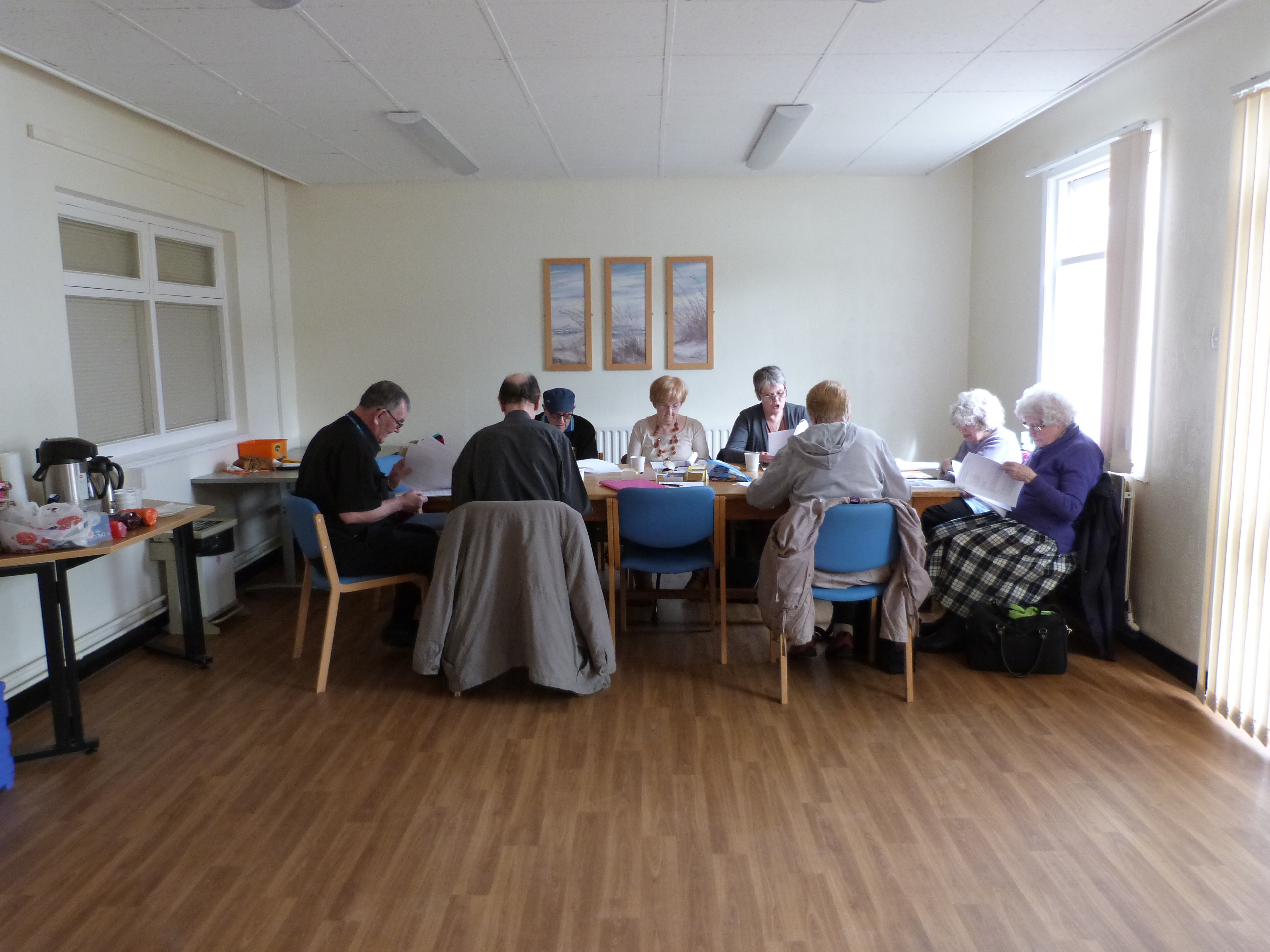
2016 brought the wonderful opportunity to work as Writer in Residence with The Open Eye Gallery in Liverpool following on from a Liverpool University LiNK placement with them. Its a role also supported by and linked to The Centre for New and International Writing in Liverpool University where I was studying for my PhD in Creative Writing. This opened up new ideas and possibilities in giving me the chance to interview artists and discuss new and emerging work.
I also provided creative writing workshops for local residents and interested writers in response to exhibitions and developed my own writing in new directions. I also developed a short poetry/literature series with guests including Seàn Hewitt, Vona Groarke, Mary Jean Chan, Maria Isakova Bennett, Sean Bonney, Juliana Spahr, Ruby Robinson, Jennifer Lee Tsai, and Elspeth Accordion.
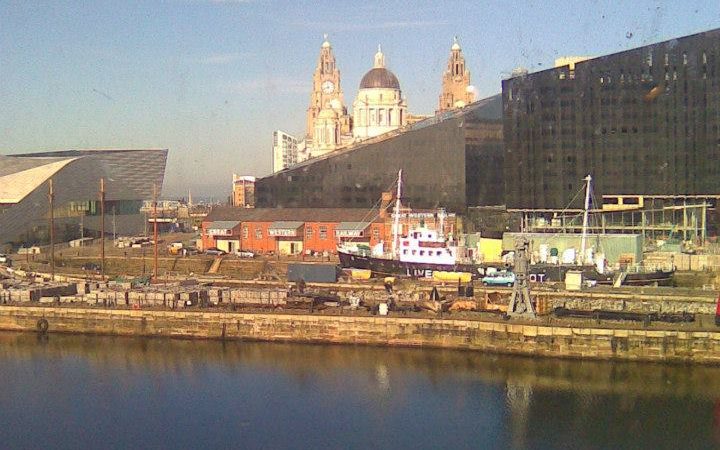
In 2018 I supported the work of photographic artists, Tony Mallon – the Winds of Change project – part of Culture Shifts with women from Northwood in Kirkby.
*
In 2018 I supported the work of photographic artists, Tony Mallon – the Winds of Change project – part of Culture Shifts with women from Northwood in Kirkby.
*
Exhibitions
The Allotments
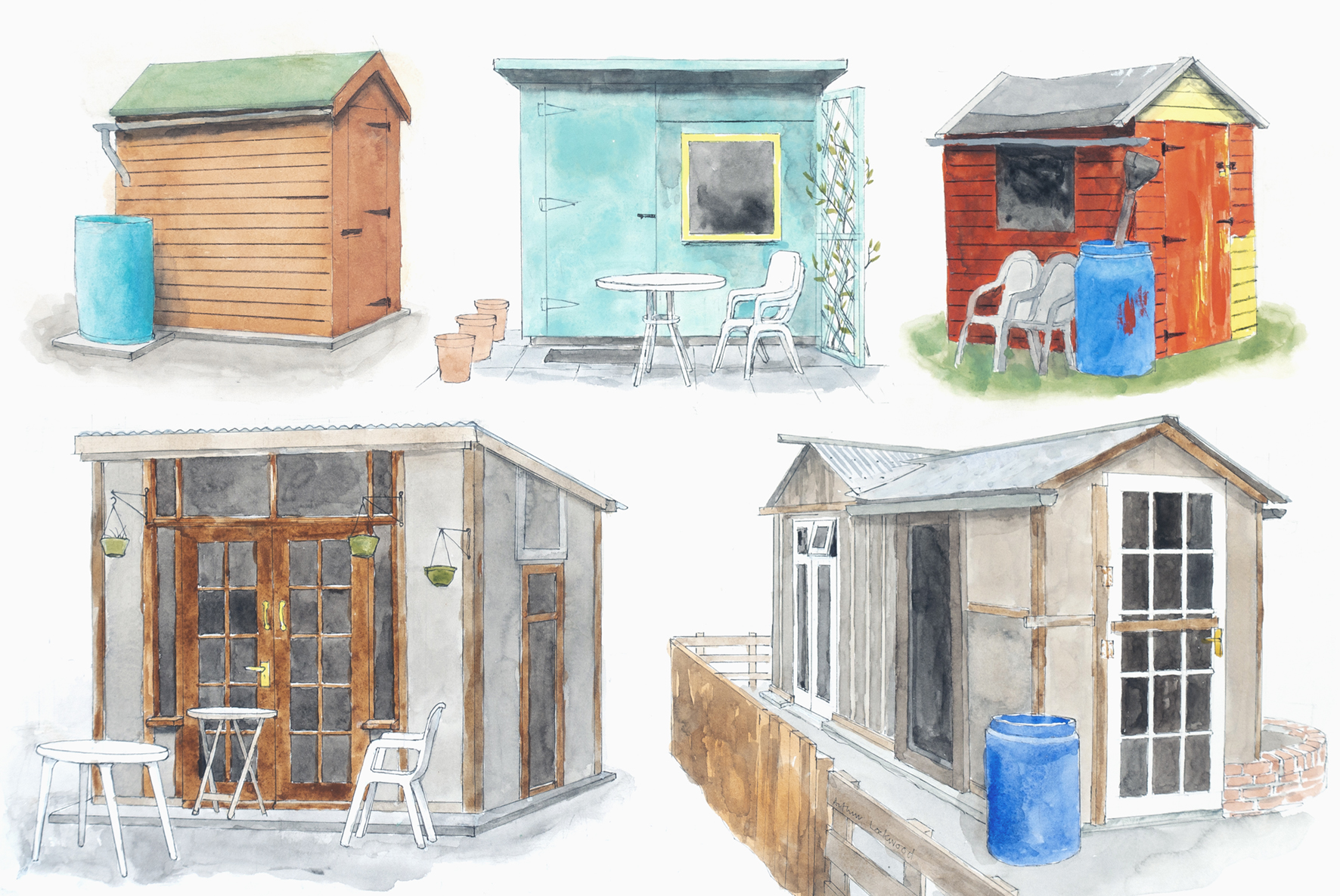
The Allotments (2019) was shown at The Victoria Gallery & Museum, Liverpool as part of the LOOK Biennial. This was a collaborative work with photographic artist, Dave Lockwood and artist, the late Arthur Lockwood.
Here & Now
Here & Now project ran from Sept – Dec 2018 at Open Eye Gallery, for service-users of Mersey Care NHS Foundation Trust – including writing and photography, with photographers Robert Parkinson and Becky Warnock. Exhibition shown in Feb 2019.

*
Sleeping in the Middle
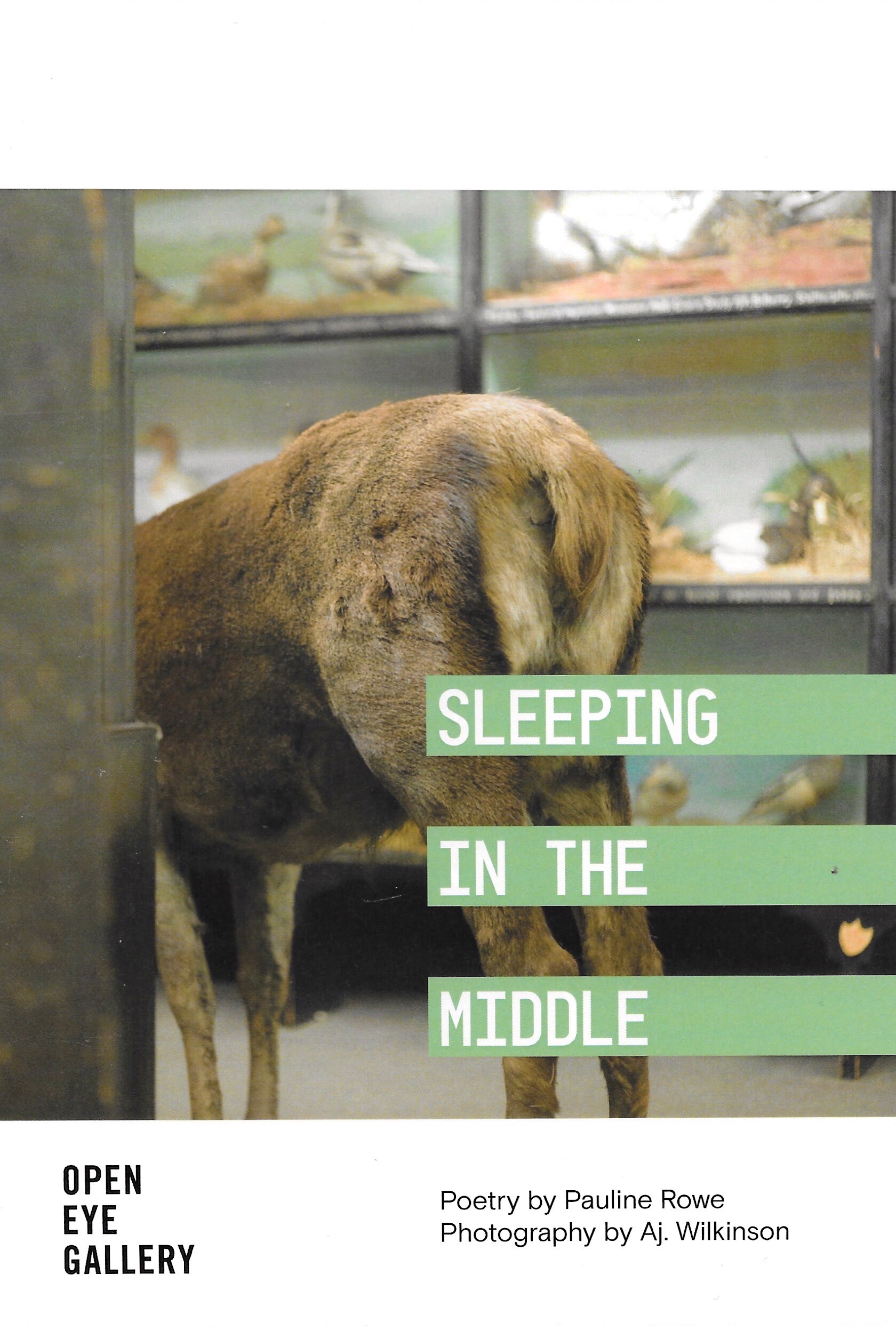
Sleeping in the Middle was a collaborative work with A.J.Wilkinson of spoken word recorded poems exhibited at Open Eye Gallery on Light Night 2018 in Liverpool.
Review of Sleeping in the Middle
*
The Sudley Project
The Sudley Project (2003 – 2017) provided an opportunity for service-users to be creative and to engage in the artistic process both visually and with words; it offered people space to explore ideas about their own personal journeys and recovery with the support and guidance of experienced artists.

The Sudley Project was devised and delivered by artists from TAG, Sue Williams and Steve Rooney, with support since 2009 from poet Pauline Rowe. The project was mainly delivered at Sudley House which is one of National Museum Liverpool’s (NML’s) finest treasures. Sudley was the home of the Victorian merchants and philanthropists, the Holts. The house has been fully refurbished, has fine paintings and furnishings and is set in beautiful grounds in Mossley Hill.
Each project was delivered in the Learning Suite, a peaceful and private facility in the house where participants can paint, explore ideas, write, think, discuss many issues and create a final inspiring installation work or exhibition at the end of the 12 week programme.
The Sudley Project has its origins in Sue and Steve’s Making Sense project which took place from January 2003 to January 2004 that led to an exhibition at the Conservation Centre. That original project brought together people with acquired brain injury and was widely acclaimed and celebrated. Through the work of Judith Mawer and Mersey Care staff, including Dot Maloney and Margaret Brown (and thanks to the backing of the then Liverpool CBU’s Director, Carol Bernard) the Sudley Project flourished. It also depended on a supportive partnership with NML and the good will and enthusiasm of staff at Sudley House.
The next main project was ‘Making More Sense’ which began 2005 and ended in 2008 that led to the Unfolding exhibition – held at Sudley House with the encouragement of NML’s Robin Emerson. In 2009 Around the Table resulted in a fine exhibition of painted ceramics where the project members created table settings inspired by their own lives – with the installation reflecting the idea of a gathering of friends. Each person involved also produced poems that were included in the final table setting in both a poetry menu and individually included in scrolled form to look like napkins at each setting.
In 2010 the project concept was Listen, exploring how we are perceived and seen with the idea of creating garments to explore individual identity. When the final garments were all displayed together there seemed to be a dialogue between each one with which viewers were invited to engage. In the spring of 2011 the project moved temporarily to Liverpool University’s Victoria Gallery & Museum while Sudley House was closed. For Portmanteau each participant was encouraged to look at their own identity and their individual mental health journeys within today’s society; they visually customised the outer and inner surfaces of their chosen suitcase with their personal interpretations to create a unique piece of contemporary art. The suitcase installation references the definition of the word portmanteau and also relates to portmanteau being a blend of more than one word that comes together to form a new word. The participants also wrote their own poetry and creative writing pieces, working collectively as well as individually.
The Sudley Project came home with If Chairs Could Speak in autumn 2011 to spring 2012 where participants customised and painted, adorned and changed a selected chair so that it became a message of personal significance mediated through a visual and creative intervention. Each chair became anthropomorphised, in a sense, to transmit and tell each individual story.
Below one of the service users describes some of her thoughts about creating her piece:
This is part of the phoenix that’s going to be rising out of the chair. Chairs – to me – are instruments of torture. They are painful to sit in. So I have to change the chair to something it isn’t, to make it different. Even though a chair is not comfortable for me I can change it into something else. I can do it well. The colours are fire colours – warm colours to make it more appealing. My body tells me I can’t do something but I’m telling it I can. Just do things a different way. I rise out of the ashes of the pain. The phoenix is a symbol of me. The phoenix is light and free. Reborn. Chairs are hard and heavy. Like the pain in your head – a chair is there. You have to live with it. You have to get used to it. Learn to live with it.”
J, from If Chairs Could Speak
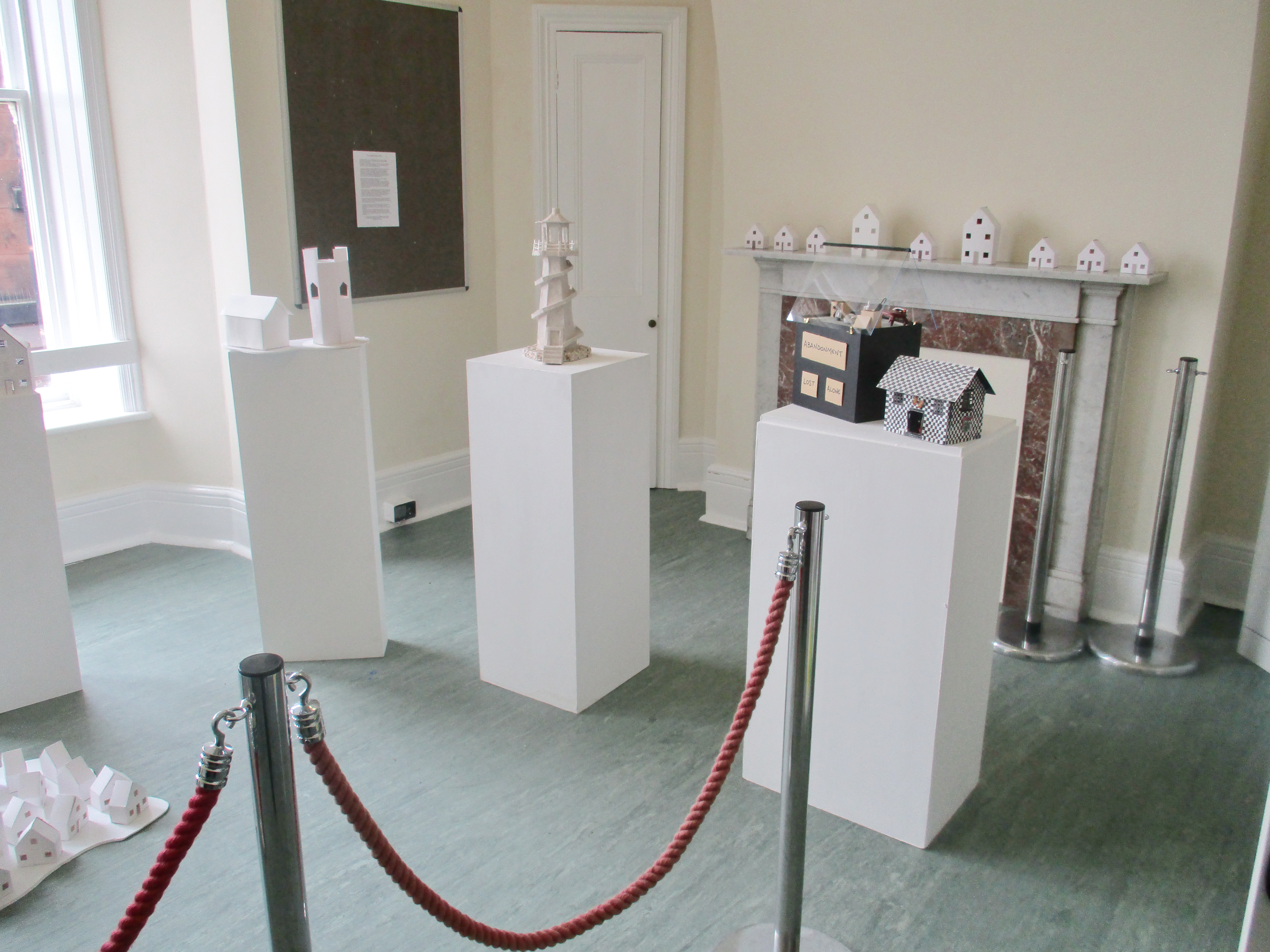
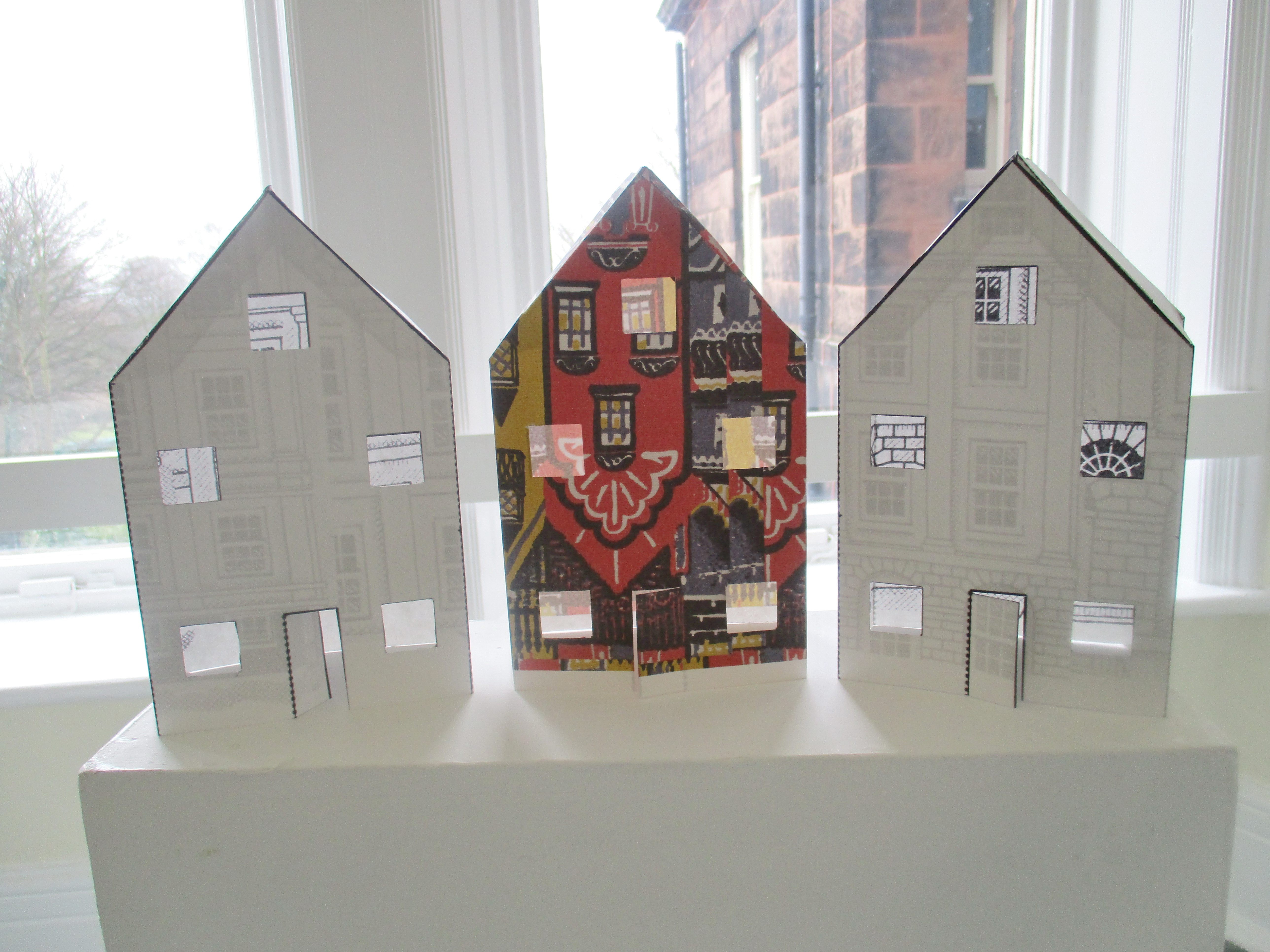
There were four further projects: Mansions & Merchants, Enigma, House, and the final one, Shoes in 2017.
Mansions & Merchants (2012-13)
The project is an arts initiative that draws on many creative concepts to enable participants to produce individual works of art that together make up a final installation for exhibition. The starting point and inspiration for this latest project is Liverpool’s heritage and history of fine houses, their landscapes and the wealthy merchants who lived in them; these men and women defined the city’s wealth in the 19th century, making Liverpool a major port and gateway to the world.
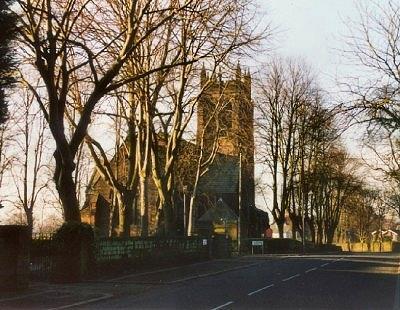
Merchants

		Notice Neptune, though
Taming a sea-horse, thought a rarity

	 From My Last Duchess, Robert Browning


The mansion-men’s departed dowries,
derelict orangeries and boweries
keep telling testaments of sugar,
tallow, timber, china, copper,
cotton, corn, lead shot, rubber
textiles, guano, frozen meat.

Spectral servants offer no confessions,
sculptors meet no more commissions.
The port these merchants built is gone;
risen, fallen, risen, grown,
to be a place of purchase, promising return
of ships, sailors, a better chance to earn.

The merchant-mansions – memories or ghosts
each footprint carved on Mossley Hill, where hosts
once gathered as prophets to pronounce
on education, health, on every ounce
of metropolitan virtue, trade and law,
manufacture and the city poor.

Their spirits watch to see – no ships, no wealth
from empty houses in the air
survey, astonishedly, exchanges
of Bank, Church, Government

they see there’s nothing there.

Pauline Rowe
Enigma (2014)
Now in the small box
Now in the small box
Is the whole world quite tiny
You can easily put it in a pocket
Easily steal it easily lose it
                    Vasko Popo
                    from The Small Box
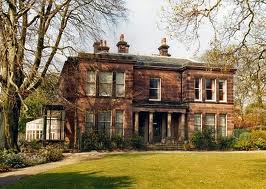
The work of the American born artist Joseph Cornell was the starting point for the Enigma exhibition. Cornell used found objects in his assemblages using juxtaposition and incongruity to create dialogues within his surreal works.
The theme for this exhibition is Victorian life – an era of Contradiction: grandeur and squalor, wealth and poverty, industrial development and cottage industry. The artworks have resulted from a series of workshops here at Sudley House. The environment and atmosphere are conducive to a very safe and creative experience for all who took part.
The idea of the box, as a container, was a challenge but the development of the artwork was informed as the artist-participant discovered new textures and objects, revisiting the Victorian age through images of industrial architecture and shipping, the words of Dickens and Lewis Carroll, the scents of jasmine, lavender and rose, the menus of afternoon tea, fabrics, photographs and words: all transposed and interpreted through talismans, found objects and imagery juxtaposed in their own small rooms of imagination. A small shoe symbolising childhood; an eye in a 3D representation of a catacomb suggesting Judgement, perhaps criticism; a piece of blue glass, black lace or a music box mechanism all reflecting personal responses to the theme of Victorian life – or of the self in their contrasting and contained ideas.Symbols and metaphors help to communicate feelings and it is part of the Sudley Project’s purpose to support people in improving their own sense of value and wellbeing; to experience art itself as a means of communication.
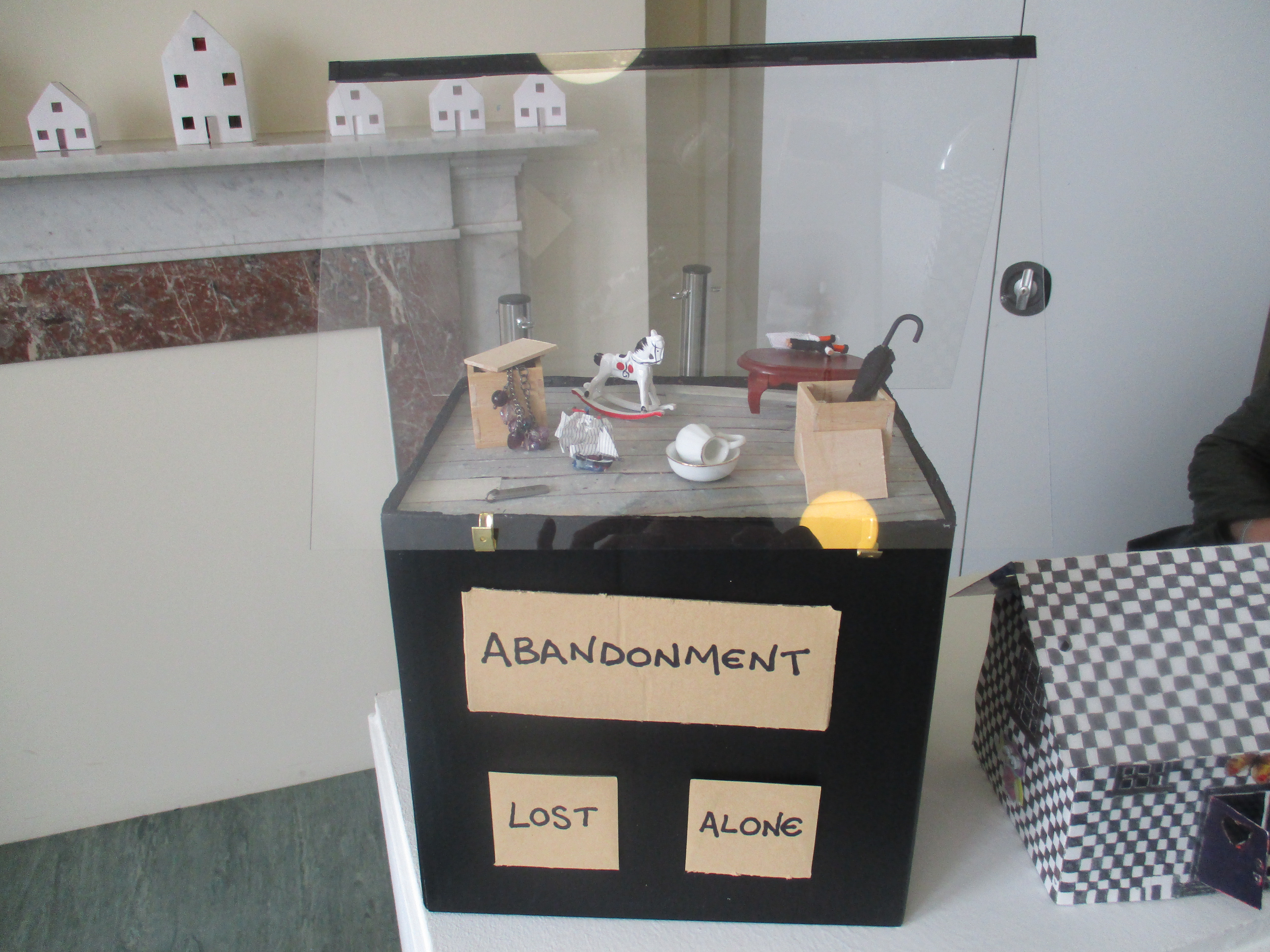
House (2015 – 2016)
Group poem:

The House Still Stands


peaceful and secure.

The house still stands
while everyone died.

The house lives on,
outlived everybody.

The house still stands.
I wish it did not.

The house still stands
but it is derelict, falling down.
Oh how I wish I had looked after it.

The house still stands
tall and elegant,
once lived in and happy

now empty but echoing
with sounds.

The house still stands.
Alone now, grand-dad’s gone,
he took the warmth of it with him.

The house still stands
with no one living there
to make it a home,
unused and unloved.

Voices silenced by the sound
of the blowing winds.

A garage now,
Hardly a trace of the street.
But to me, the house still stands.

Some things never changed.

The house still stands
firmly on the ground.

The house still stands
in solidity
through all our trials.

The house still stands
yet I have fallen.
Shoes (2016 – 17)
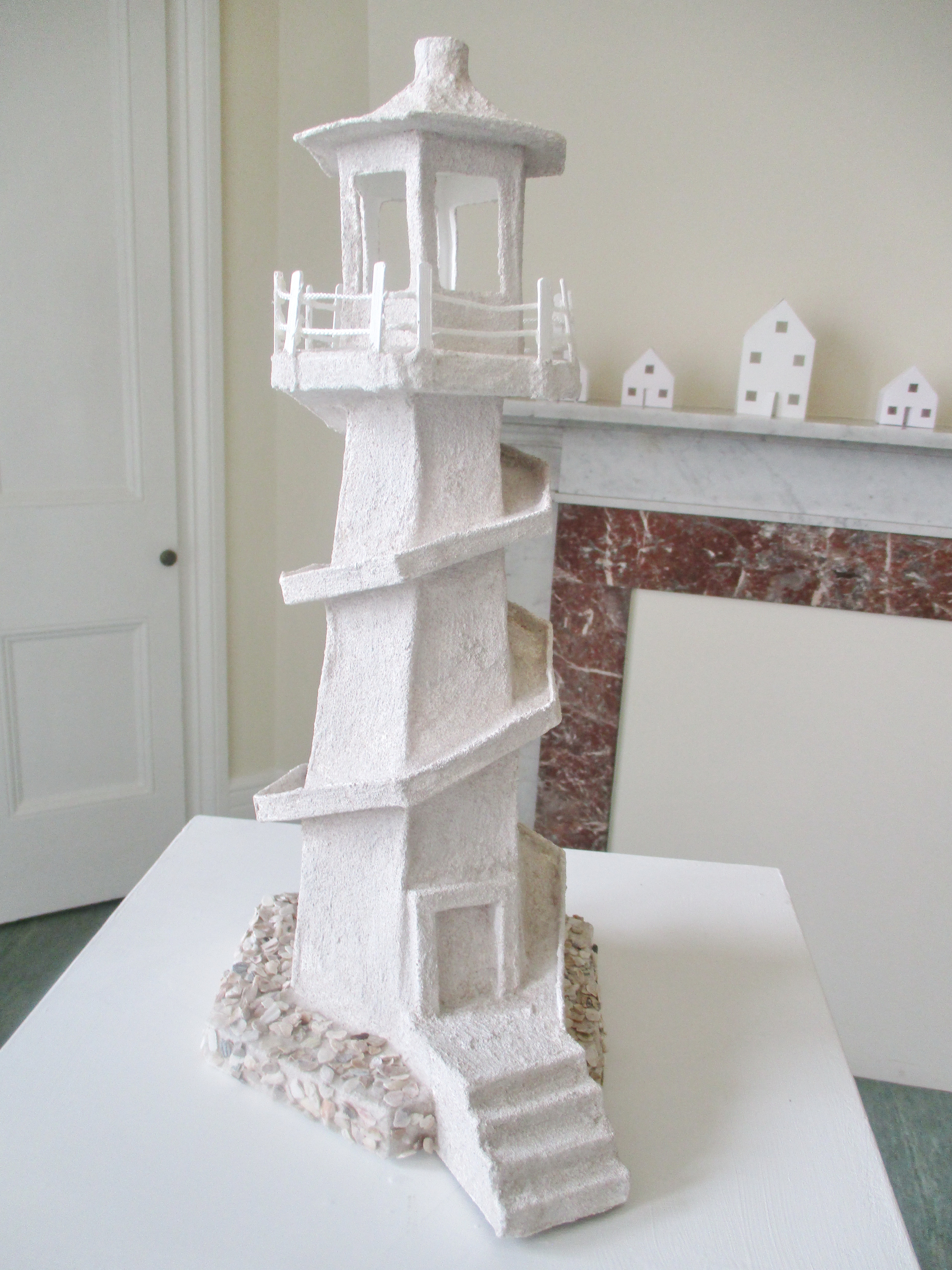
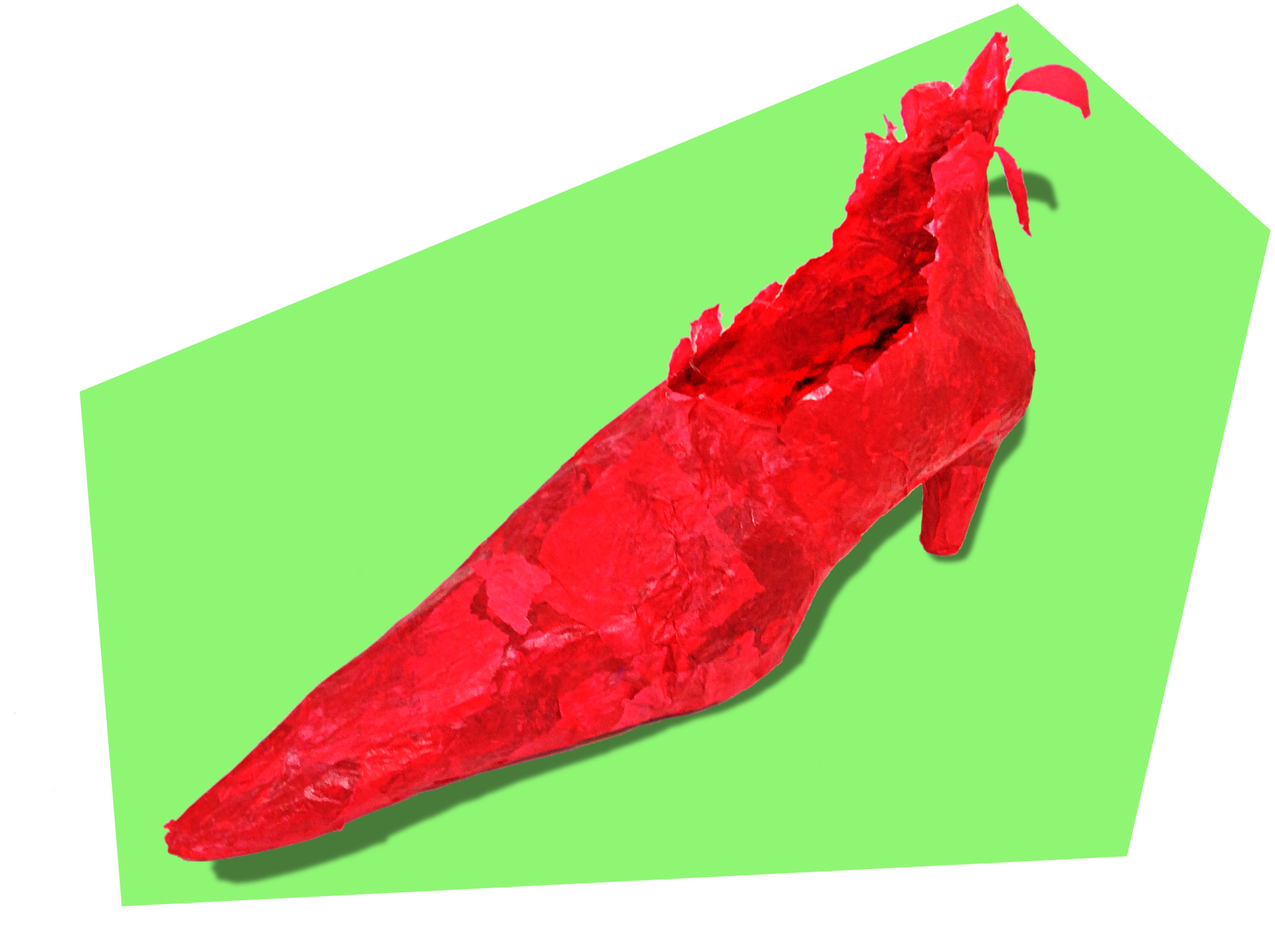
Shoes have significance, they can carry deep symbolic meanings related to our physical and mental essence and each pair or single shoe can tell a story. All of the shoes in the Shoes exhibition have a story to tell, some more obvious than others. The shoes themselves and the poetry written as these artworks were created, tell individual, personal and collective stories related to the importance, relevance and symbolism of the shoe.
Some Moment of Leaping Not Yet taken… *
(Group poem)

Barefoot and undecided which shoes will suit today
my favourite shoes are my floral, wedge shoes
that remind me of summer.
My favourite shoes are cuban heels,
my glossy, black patent leather shoes are so bright.
my first pair of spikes, Colette hid them from my parents.
I love my gold sandals, they make me feel so special.
They help me prepare to launch upon what must be done this day
first few steps to go until it’s run
the red leather breathing, the beechwood
like the hooves of a small horse.
Walking hand in hand with my Mum
in new patent leather dolly shoes in the rain
hoping for a puddle.
Comfortable, protective, reliable,
my favourite shoes will take me there.
When that moment comes my blue patent leather shoes
will skip along the road with joy.

* after a line from The Shoes, a poem by Brent Pallas.
 Burning Bright